
Understanding professional needs
About: Knowing your professional needs For some, work is little urban stumps; for others, it’s big ones, deep rooted in the country or wilder ground. Stump size is a big deal—grinders have to be able to grind stumps that are up to 50 cm or larger in diameter. Other work requires dug-out machines that can cut 30 cm below ground to completely eliminate roots. The job site terrain is also important. Level lawns are easy, but hilly or rocky terrain can bog work down, so the unit needs to be steady and easy to manage. Pros grind every day, so equipment has to perform even with consistent use and not fail halfway through a task.
Productivity options can make or break a position. Cutting speed matters, particularly when professionals seek to grind down a typical 50-centimeter stump within an hour. Most manage to complete this within 30 to 45 minutes. Machinery with larger cutting wheels and durable teeth chops faster, conserving time. Maneuverability is essential, particularly in small yards or congested job sites. A few grinders have wheels or tracks that help maneuver around tight areas. For instance, tracked models navigate slopes and muddy terrain far better than wheeled models. Operator convenience cannot be ignored. Thoughtful design, such as padded handles or user-friendly controls, can ease the strain of long days and help workers keep pace.
Dependability is the heart of professional stump grinding. Time is money, so downtime can damage a business. Grinders require durable frames and components to withstand demanding work, day in, day out. A solid frame allows the powerhead to withstand the strain of slicing through large, tough stumps without flexing or fracturing. Professionals seek out motors with high horsepower, generally 35 kW or greater, because increased power translates to the grinder being able to grind faster and tackle larger stumps or tougher woods. Routine maintenance is simpler with equipment that utilizes accessible parts. Less time fixing stuff means more time working.
Fleet equipment friendly makes business easier. Most companies transport grinders from site to site in trucks or trailers. Weight is important, too. A manual push model could weigh 180 kilos, making it challenging to load and transport in the absence of ramps or lifts. Others choose lighter, self-propelled models to facilitate faster transport and setup. It aids when grinders can run on the same fuel or parts as other equipment in the fleet, reducing the requirement to stock numerous spare parts or fuels. For users already operating tracked machines, obtaining a grinder with matching tracks can maintain a fleet that is streamlined and easy to manage.
Types and configurations
Professional stump grinders in 2025 are available in several different types and configurations to suit various work requirements, locations, and budgets. There are primarily tracked, wheeled, and tow-behind models available for use on a worksite based on conditions. Selecting the appropriate type varies with the number of stumps to be ground, their respective sizes, and accessibility. Small portable units are great for close quarters and small yards, while large self-propelled machines tackle big or recurring work. There are medium walk-behind units that offer a good compromise between size, power, and price.
Tracked stump grinders have rubber tracks instead of wheels. They migrate better on soft, muddy, or rugged terrain. Tracked machines are powerful for large sites or rough terrain. They are heavier and can be more expensive to lease or purchase. Wheeled stump grinders are simpler to maneuver on solid ground and perform most efficiently in clear or manicured grounds. They’re lighter and easier to wrangle, but they can slip or bog down on soft earth. Tow-behind stump grinders attach to a truck or utility vehicle. They’re great for going from gig to gig and require a tow vehicle and frequently additional set-up time once you arrive at the site.
- Tracked models. * Pros: Great on soft or rough ground, stable, and less risk of getting stuck.
- Cons: Heavy, harder to transport, and higher rental or purchase cost.
- Wheeled versions * Pros: Lighter, easy to move in tight spaces, lower cost.
- Cons: Not ideal for rough or muddy ground, less stable on slopes.
- Tow-behind models. * Pros: Good for moving between sites, often powerful, suited for big projects.
- Cons: Need a tow vehicle, take longer to set up, less nimble in small spaces.
Stump grinders break down into self-propelled and manual-push varieties. Self-propelled models use their own motor to drive, reducing operator strain and accelerating large-scale jobs. These are great for contractors who want to pulverize hundreds of stumps at a time or on hard soil. Manual-push variants require you to steer and push. They are less expensive and easier, but can exhaust the user, particularly on extensive or uneven sites.
Cutter wheel size and engine type play a role for pro users. Cutter wheels vary from 12 to 27 inches. Smaller wheels are more manageable for small yards or light jobs. Larger wheels grind quicker and torch big stumps with less friction. They are offered with engine choices of electric, gas, and diesel. Electric grinders are quiet and emission-free, making them a good choice for sites where noise or air quality regulations are rigid. Gasoline and diesel engines provide greater power and accommodate heavy or frequent work. They are noisier and require more maintenance.
Rental costs represent these differences. Small portable grinders rent for around $120 to $180 per day and large self-propelled units are $250 to $400 per day. The configuration, including engine, wheel, and mobility, influences grinder performance, effort to maintain operation, and actual cost of ownership over time.
Comparing performance and technology
Professional stump grinders in 2025 have a gamut of features, engine sizes, and new tech that can fit many types of jobs. For landscape management or tree care, choosing the appropriate grinder is based on the size of the stumps, the frequency of your use, and the type of wood. The three core machine types, handheld, walk-behind, and self-propelled, all have their advantages and disadvantages. Handhelds are mini and perfect for speed work and confined spaces. Weed eaters are capable of mid-size stumps and are very portable. Big, self-propelled grinders are suitable for roots, hard woods, and large stumps on an ordinary job site.
On the performance side of core specs, horsepower and torque are our top considerations. More horsepower typically indicates better performance, particularly for hardwoods or stumps with deep roots. Torque is crucial when burrowing through hard material or dense roots. Cutting depth is how deep the blade penetrates the ground. It is a vital stat when it comes to eliminating the entire stump, roots and all. Here’s a comparison of the top models in 2025:
| Model | Horsepower (kW) | Torque (Nm) | Max Cutting Depth (cm) |
|---|---|---|---|
| TimberPro SP-800 | 55 (41) | 220 | 40 |
| ArborMax ProGrind 50 | 50 (37) | 210 | 35 |
| VerdaX WalkPro 35 | 35 (26) | 160 | 30 |
| RootForce MiniHand | 15 (11) | 80 | 18 |
If we were to rank these machines by their ability to grind hardwoods, root balls and large diameter stumps, the TimberPro SP-800 would be our machine of choice for heavy-duty work. It can chew through hardwoods like oak and gum and cut deep into root systems, up to 40 centimeters. ArborMax ProGrind 50 comes in a close second for both hardwoods and large stumps, but with a thinner cutting depth. VerdaX WalkPro 35 is ideal for mid-size work and softer timbers. For small stumps or those tight spots where bigger grinders simply do not fit, the RootForce MiniHand, with its lower specs, shines.
The kind of cutting wheel or blade is a deal breaker. Machines with carbide tipped teeth or multiple tooth cutting wheels cut quicker and last longer. Sharp, replaceable teeth are easier to maintain, which assists with efficiency and longevity. More expensive models typically feature automatic start systems, enhanced ergonomics, and controls that minimize operator fatigue. Features such as adjustable handlebars, anti-vibration mounts, and digital displays keep users in steady control and increase accuracy. These enhancements can count heavily, especially for extended tasks or when precision is important.
Vibration reduction is another place new tech has assisted substantially. Most 2025 grinders feature dampened engine mounts or sophisticated shock-absorbing frames. That makes them safer and more comfortable to wear for extended periods. For instance, the ArborMax ProGrind 50 employs a dual-mount vibration system, resulting in less shake and better control for the user. Self-propelled models typically come with all-wheel drive and electronic depth controls, allowing you to set the cut at the press of a button, saving you time and physical exertion.
Durability and maintenance
A pro stump grinder should stand up to hard work, hard weather, and hard use. Generally speaking, high-end models use rigid frames comprised of thick steel, such as 16-gauge or heavier. This keeps the machine in shape after years of dragging, dumping, and uneven terrain. A reinforced cutter wheel is equally essential. These wheels get banged up, and a thin or soft wheel can chip, warp, or even break. Search for hardened steel and welded joints where pressure is most intense. Quality brands utilize weather-resistant coatings and covers for components that get exposed to rain, mud, and sun. This prevents rust and corrosion from gnawing away at the machine.
A heavy-duty frame means additional weight, and stump grinders can be difficult to maneuver manually. Handlebar units can range from 57 kg to 180 kg (125 to 400 lbs). Some get even heavier, so consider who will be using it and how often it has to be transported. If a single worker will be operating the grinder, lighter units seem to make more sense, though you sacrifice some power. For work that requires a bit more muscle, such as large roots or stubborn hardwoods, grinders with engines ranging from 18 to 75 kW (25 to 100 hp) take the sweat out of the work, but are less portable.
Maintenance is the only way to wring a full life out of your grinder! Stick to a regular checklist: grease the bearings every 25 hours, check and tighten bolts weekly, inspect the cutter teeth after each use, and keep the air filter clear. Turn the oil every 50 hours and more often in dusty locations. Check belts for cracks or wear prior to each job. Wipe down the machine after every use and cover it if it’s kept outside. Almost all pro models make it convenient to reach the major servicing areas. Wide access hatches, quick-release panels, or tool-free covers really go a long way. That reduces time in the shop and you spend more time grinding instead of repairing.
Warranty coverage and replacement parts go a long way if you intend to use the grinder for years. Certain brands come with a two or three-year warranty, yet they don’t all include the same components or workmanship. See if it’s full or frame only. Check to see if the manufacturer has service centers close or ships parts globally. If a machine requires a new belt or blade but the part is backordered for months, it costs you time and money. Reputable manufacturers stock parts, while off brands might not.
If the machine doesn’t have a proven track record of surviving hard work, like land clearing or commercial work, chances are its used value isn’t going to be that great. Tough frame, simple maintenance, and immediate parts minimize expenses and maximize your uptime. Select a machine with these things in mind, and you’ll save on repairs and downtime, even if the immediate price is higher.
Safety and usability
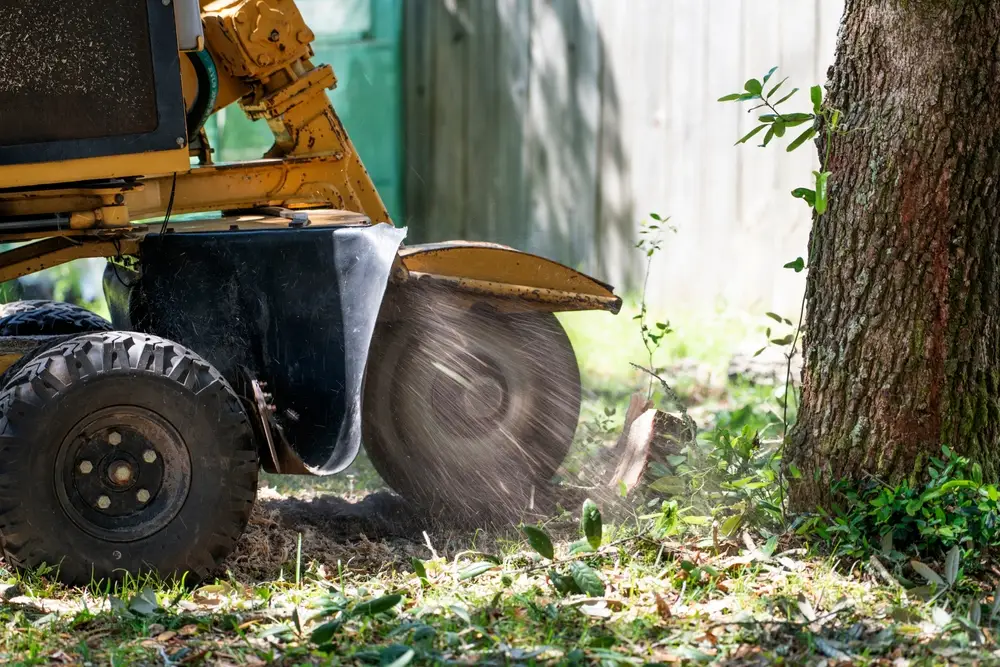
Safe and easy use of stump grinders is at the heart of professional work. A lot of work with these machines occurs near people, property, and vegetation, so the proper combination of safety features and comfortable handling keeps crews productive and prevents injuries. You can bet good design means less risk, less stress, and better results for the team.
The majority of crews seek stump grinders with integrated safety equipment. Emergency shut-off switches allow operators to turn the machine off quickly if something goes awry. Debris shields deflect flying wood chips and dirt to protect the operator and passersby. Operator presence controls halt the grinder if no one is at the handle, reducing the risk of injuries if the user leaves. Some grinders have 3-point hitch setups. These assist with safe hookup and smooth use, which is useful in large-scale jobs or on job sites where equipment travels a lot.
Ergonomic design is equally important. Handles on grinders that adjust to fit different heights and angles allow you to stand in a position that’s easy on the back and arms. Fat tires and a small frame mean it’s simpler to navigate these cumbersome machines around, even in cramped quarters or miniature backyards. That’s key since numerous job sites are tight on space and a bulky grinder is difficult to maneuver. Good visibility out of the operator’s position assists in avoiding damage to nearby trees, fences, or other features. The right grinder should provide an easy control layout, so even novices can pick it up quickly and operate it safely.
Essential safety features and ergonomic design recommendations:
- Emergency shut off switch.
- Flying chips debris shield.
- Operator presence control.
- 3-point hitch ready.
- Handles that are adjustable for ergonomic comfort.
- Super compact for tight spaces.
- Wide tires for traction and rollability.
- Easy to use controls.
- Unobstructed view from operator’s podium.
We’re not kidding about PPE for crews. Helmets, face shields, ear protection, gloves, and tough boots should be de rigueur for anyone on site. Training is just as important. New crew members require hands-on training to teach them the basics, such as how to check the grinder, start and stop it, clear debris, and use the shut-off switch. Practice gets users beyond the first-time jitters and generates competency for safe work. Most users get comfortable after a few jobs, but continued courses and refreshers keep safety top of mind.
Instructions are simple. Grind the stump at least 4 to 6 inches below ground to keep your area safe for new plantings or for feet. Ensure proper cutting depth and speed settings, where a 540 rpm speed is considered a nice compromise, fast enough to allow fast work but slow enough to maintain control. About: Safety and usability The grinder’s cutting width and depth should be appropriate for the job size. Too big and it runs the risk of damaging the space surrounding the stump. Too small and you might not get the job done right.
Cost, value, and ownership
Selecting the best stump grinder for professional use requires looking beyond cost alone. For many, the initial consideration is what the total cost of ownership actually encompasses. That is, what you pay initially, what you spend to maintain it, and how you pay for it.
- Upfront cost is usually the heaviest portion. Stump grinders can cost anywhere from under $1,000 for small, manual machines to far in excess of $11,500 for self-propelled grinders with all the bells and whistles. For those gnashing stumps on a weekly basis or operating a business, purchasing can save dollars in the long run. You bypass the expensive daily rental charges and have the machine available when you require it. If you just have a few jobs, that heavy investment might not be worth it. The next is the operating expenses. Gas-powered grinders need to get their fuel, oil, and filters changed on schedule. Maintenance costs add up, particularly for larger machines. Electric models typically are cheaper to operate, as they require no fuel or less frequent maintenance, but you’d need access to charging points or work around battery range. Insurance, storage, and transport add up as well. If you work in a lot of locations or move equipment around frequently, think about what it costs in hauling and storage for your machine.
- Rents versus buy is a huge deal for a lot of people. If you have high project volume, buying usually makes more sense in the long run. Small grinder rental rates range from $120 to $180 per day. Medium units cost $180 to $250, and large self-propelled ones go from $250 to $400 per day. If you only need a grinder for a couple of days a year, then rental is going to be cheap. For a scaling business, purchase provides you greater control and can enable you to accept additional projects. Rental is nimble and allows you to match grinder size to the task, but you are at the mercy of what is available and could pay a premium if projects extend.
- Resale value, financing and tax perks can tip the scale. Lots of professional grade grinders retain value if cared for. Selling an older unit will help later offset the cost of upgrading. Some dealers offer financing that spreads payments out, making it easier to budget. In certain nations, purchasing work gear can provide tax breaks or other benefits. Local rules vary, so see what applies in your area.
- Recurring expenses steer your return on investment. Fuel is a daily expense for gas-powered grinders, and prices can fluctuate wildly. Electric grinders are less expensive to operate, but they aren’t suitable for every task. Maintenance can be as straightforward as sharpening teeth and oiling parts or more involved if you’ve got a larger or older machine. Insurance protects against damage and theft, but it’s yet another monthly bill.
Eco-friendly and future-ready choices
Professional tree care and land management require more environmentally friendly and future-ready tools. Green regulations keep shifting, and cities across the globe are defining increasingly stringent noise and emission benchmarks. The stump grinder market is a trailblazer. It’s about machines that do less damage and have a place in a cleaner, quieter tomorrow.
Electric and hybrid stump grinders shine for reducing emissions and noise. These rigs utilize electric motors or hybrid fuel engines with battery assistance. They generate zero on-site emissions and are significantly quieter than their gas-powered counterparts. Many of the electric models, such as the new battery-powered grinders, are now powerful enough to use on a daily basis in both parks and urban spaces. For instance, a battery-powered grinder can operate in a hospital garden or school ground without being a nuisance. They fit professionals who have to operate in spaces with strict noise regulations or where footprint is top of mind. Battery-powered models are increasing in variety and strength, providing greater choices for extended tasks.
Certain machines are low-impact builds. These range from biodegradable hydraulic fluids, which reduce the potential of soil and water contamination in the event of leaks. Fuel efficient engines are prevalent, and some even now support renewable fuels such as biodiesel. Opting for a grinder with a more compact engine can conserve fuel and reduce emissions, benefiting tasks that don’t require maximum power. Electric start systems provide a further advantage. They simplify starting the machines, decrease fuel consumption and reduce emissions during cold starts. Regular maintenance is a small yet crucial task to keep emissions down and ensure a long working life. Filters, spark plugs, and fluids are part of the routine check.
Stump grinders for pros must now follow strict emissions regulations. Machines need to adhere to EU Stage V or US EPA Tier 4 regulations in most regions, which reduce emissions. Those models that already comply with or exceed these rules are more likely to remain legal and competitive as new regulations arrive. Manufacturers are supplementing that with sensors and smart systems to monitor emissions and assist operators to remain within limits. A lot of new equipment has stickers or certifications to prove that they comply, which is a benefit for contractors bidding on public or corporate work.
When you invest in tech that’s environmentally conscious, you position yourself as a leader for tomorrow. Machines that are more fuel-efficient, battery-powered, or compatible with renewable fuels will likely hold their value and their position in the market as regulations become increasingly stringent. That enables enterprises to get a step ahead, score more contracts, and reduce their footprint on the planet. Industry pros who want to be prepared for what’s next should seek out specifications in line with their work, like quietness, low emissions, or support for new energy sources.