
Why durable tools are essential for forestry work
Of course, durable tools have special importance in forestry work since the industry requires gear and machinery that endure tough job sites, protect workers, and streamline expenses. Forestry work takes many forms, from chopping down trees in dense woods to carving paths through brush on hillsides. Such work frequently takes place a long distance from towns, where there is no convenient access to fast fixes or swap-outs. That’s why investing in tools made to stand up to working in the woods is rewarding in more than one sense.
Minimizing equipment failure and downtime is primary among reasons sturdy tools are important in forestry. Most forestry locations are jagged and wild, withstanding any weather imaginable—rain, snow, heat, and cold. Chainsaws, axes, and harvesters have to run well in these rough places. When tools snap, you stop. Downtime in remote locations equals lost man-hours, inflated expenses, and occasionally flights back to home base for replacement equipment. Tools like feller bunchers or log splitters constructed from quality steel and robust joints can resist those shocks over and over again. Less downtime means crews keep moving, meet deadlines, and get the job done sooner.
Another major consideration is safety. In the woods, flaky tools will get you hurt. Heavy machines and razor blades are hazardous enough without stressing about broken handles or loose chains. Durable tools keep you from getting hurt by maintaining their form and handle long after you’ve been swinging them all day. Consider hand saws with reinforced handles or axes with shock-absorbing grips. When tools work as they should, workers are able to focus entirely on their work without the distraction of an impending snap or slip. This matters when you’re laboring on uneven terrain or in soggy soil, where a misstep can trigger cascading issues.
There’s the long term costs, which is another reason to buy durable gear. Forestry equipment is a significant expense. Less expensive, less substantial tools may seem like a good deal initially, but they wear, rust or break quickly. Durable tools are designed to withstand abrasion, rust and shock. With proper maintenance—wiping off mud, sharpening edges, oiling joints—these tools last for decades. Equipment like harvester heads or stump grinders, when constructed tough, keep going with basic upkeep. Over time, this translates into fewer replacements, lower repair bills, and less time waiting out in the field for new gear to arrive.
The benefits of using durable tools in forestry include:
- Fewer injuries as tools keep their form and grip
- Less downtime due to rare breakdowns
- More precise tree felling and data gathering lead to improved planning.
- Better soil health, since machines such as stump grinders create less havoc.
- Lower long-term spending, since replacements are rare
- Higher productivity, as tools stay ready for work
- Sustainable forestry involves less collateral damage to the undergrowth.
- Better fit for remote sites, where repairs are tough
In other words, the right tools don’t just make forestry safer. They help make it steadier and smarter as well.
Key materials and technologies for tool longevity
A fine forestry tool endures when it fits the task and resists the sweat. Material selection, coatings, design and blade treatment all impact how long a tool lasts. Selecting the proper combination results in reduced stress, fewer replacements and higher productivity.
Tools fabricated from high-carbon steel, forged alloys, or reinforced composites possess superior strength and wear resistance compared to inexpensive metals. High-carbon steel maintains its sharpness and is less likely to chip when working with thick limbs or hard trunks. Forged alloys provide an excellent strength to weight ratio, which makes them an ideal selection for axes and saws that experience routine wear and tear. Reinforced composites, such as fiberglass or polymer blends, often appear in handles and high-impact components. These materials do not rust and can withstand drops or bumps, which is handy in those wet or rocky forests. A diverse inventory combining axes, machetes, chain saws, and hand pruners allows workers to pair tool power with the job at hand, from delicate pruning to crane eliminations. This distributed burden increases the lifespan of every tool.
Corrosion-resistant finishes and coatings help tools resist rain, sap, and mud. Stainless finishes, powder coating, and even regular oiling prevent the metal from rusting and make cleaning a breeze. The aforementioned saw can nickel plate a blade to keep cutting clean through wet wood with no gumming or pitting. Coated handles and grips eliminate water damage, which is critical in moist or wet environments. Maintenance, like wiping down blades and checking for signs of rust, should be incorporated into every workday to keep tools in prime condition.
Ergonomic designs and shock-absorbing handles go a long way in demanding forestry work. Rubber or layered composite grips absorb shock and reduce fatigue to hands and wrists. This allows laborers to push through hot summers or long shifts with more endurance, which preserves strain on the tool as less pressure is required. Well-designed handle shapes prevent the hand from sliding, reducing the potential for injury. Energy efficiency is now the rage. Well-balanced bodies and easy-start features allow users to power through jobs faster with less strain and less fuel.
Heat-treated blades and hardened edges are essential for tools that need to retain their sharpness. Think chainsaws, axes, and pruners. Heat treatment transforms the steel so it is harder and keeps its edge longer, even after aggressive or multiple passes. In chainsaws, the proper bar length of 30 to 35 cm for light work like girdling prevents the motor from overworking and the chain dulling prematurely. IoT-enabled tools that log fuel consumption and operating hours make it simple to identify when a tool requires maintenance or should be replaced. This data-based maintenance combined with frequent inspections, such as slicing through crop trees to measure their rate of growth, ensures that each implement is used for as many years as possible.
Essential safety gear for forestry professionals
Forestry work is high-risk, and it takes more than just skill to stay safe. Logging is one of the most hazardous occupations in the world. With sharp tools, heavy machines, and falling limbs, tough safety regulations are important. The right gear is the first step in cutting risk.
CSFI hard hats, face shields, and eye protection are important. International approved helmets assist in protecting the head from falling branches or tools. Face shields and safety goggles protect against flying chips, dust, and other small debris. This is a must when chainsaws or wood chippers are used. Eye injuries occur quickly and frequently result in permanent damage. A visor and EN 166 or ANSI Z87.1-approved wraparound goggles provide an added level of protection.
Cut resistant gloves and chainsaw chaps are next. Hard-fiber gloves, Kevlar for instance, help block cuts from sharp saw blades or axes. Chainsaw chaps, typically constructed with layers of ballistic nylon, will gum up a chainsaw and prevent it from sawing through to the flesh if it slips. These chaps have to fit you well and cover the thigh and lower leg. Selecting gloves with a non-slip grip allows crew members to grasp equipment with greater precision even in wet or cold conditions.
Fluorescent shirts and boots with ankle support are safer to walk in dense brush. The clothing must be conspicuous and made of fluorescent yellow-green or orange with reflective tape. Global standards such as ANSI Class 2 or 3 determine what is bright enough. This helps workers see one another more easily in thick woods or low light. Slip-resistant, steel-toed, water-repellent boots are important. Deep tread prevents slips on mud, wet leaves, or slick roots.
A safety checklist keeps all this gear in shape. It should list each piece of equipment: helmet, face shield, goggles, gloves, chaps, high-vis clothing, boots, and a first aid kit. This first aid kit isn’t just for show; fill it with various sizes of bandages, gauze pads, elastic wraps, and medical tape. Be sure to include antiseptic wipes and burn cream. Each requires frequent inspections for wear, damage, or missing components. Ear protection, like earmuffs or earplugs, is critical because chainsaws operate at approximately 120 decibels, which has the potential to induce hearing loss in just a few minutes. Foresters, make certain muffs seal or plugs fit. Two-way radios are clever to add, as cell service tends to be spotty in the backwoods. Radios enable crews to stay in contact and request assistance when necessary.
Categories of forestry equipment and their durability factors
Forestry work employs a variety of tools, from simple hand implements to powerful machinery, each designed for a particular task. The primary classes are chainsaws, crosscut saws, axes, feller bunchers, skidders, harvesters, and stump grinders. Hand tools such as axes and hatchets are constructed primarily from forged steel blades and hardwood or composite handles. These work best for chopping and cutting tasks that require a controlled action in dense areas. Power tools like chainsaws and crosscut saws are constructed with metal alloy bodies and chains or blades made from hardened steel. These are a few times faster than hand tools at cutting and limbing work. Heavy machinery like feller bunchers and harvesters feature reinforced frames, hydraulic systems, and robust engines to transport logs, clear land, or pulverize stumps. Their size and power make them appropriate for large-scale work, but their technical components make them expensive, with some machinery running as high as $500,000.
Toughness in logging equipment is based a lot on design. Reinforced joints provide added durability to axes and handle attachments, preventing them from loosening or snapping under pressure. Replaceable parts, such as chainsaw bars and chains, make it easy to swap when parts wear out, conserving time and money. Sealed bearings, common on harvesters and skidders, exclude dirt and moisture to prolong the life of moving parts and reduce repair requirements. Basic hand tools survive longer with appropriate maintenance. Cleaning and oiling keep blades sharp and prevent rust. For power tools, inspecting and replacing worn components before they snap makes a huge difference in their lifespan.
The work environment directly affects tool lifespan. Forestry work is all about confronting blazing heat, unforgiving humidity, and unforgiving land. Cold weather can make metal brittle and wet seasons soften the earth, causing machines such as skidders to exert more effort and wear out quicker. High humidity accelerates rust, particularly on exposed steel. Vibrating tools like chainsaws and harvesters can cause hand-arm vibration syndrome, so equipping with built-in dampers or ergonomic handles minimizes health risks and gear fatigue. Ringing in the ears from loud machines can damage hearing long term too, so durable gear shouldn’t just last; it should help keep users safe.
| Equipment Type | Key Durability Features | Maintenance Needs | Typical Cost (USD) |
| Hand Tools | Forged steel, reinforced joints | Sharpen, oil, clean | 20–200 |
| Power Tools | Replaceable parts, sealed bearings | Lube, replace parts, clean | 100–1000 |
| Heavy Machinery | Reinforced frames, sealed hydraulics | Inspect, grease, tune-up | 100,000–500,000+ |
Top durable tools for tough forestry jobs
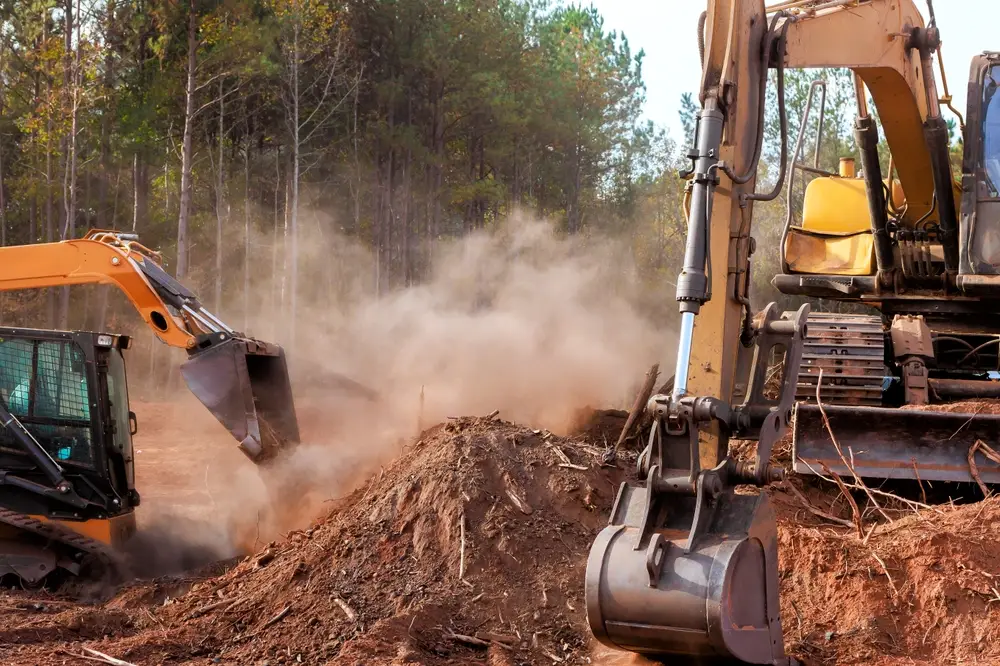
Forestry work is one of the very hardest on tools in any field, so strength and dependability are a requirement. All our tools have to endure hard use, wet weather, and long hours. Four main groups make up the set: cutting, clearing and finishing, holding, and measuring tools. They each have their own work to do, but they all must stand up to strain.
Professional-grade chainsaws are the backbone for felling and bucking. The finest feature is magnesium housings, which keep them lightweight but rugged and fend off dents or cracks from falls. Anti-vibration systems reduce user fatigue and maintain hand steadiness through long cuts. Models featuring easy-access air filters, tool-free chain tensioning and auto-oilers assist with routine maintenance. Top chainsaws from brands known around the world usually sport these upgrades. When performing tasks that require frequent starting and stopping, these elements extend the life of the tool and simplify the work.
Axes and hatchets are timeless, and their worth has not diminished. Full-tang designs, where the blade steel extends through the entire handle, result in fewer breaks and increased control. Fiberglass handles are better than wood for hard work since they do not absorb water or break as readily. Adzes, close cousins to axes, still find utility working wood and even digging. Others swear by these hand-powered essentials because they function in any weather, require no fuel, and will outlive you with basic maintenance. Here, in some of the most remote country in the world, two-man crosscut saws still see active use to fell four-inch diameter trees. These saws remind us that a little teamwork and a few simple tools can accomplish big jobs.
Brush cutters and clearing saws are the workhorses of thick brush, tall grass and saplings. The best ones feature gearboxes designed to absorb impacts and keep turning as well as blades that won’t bend or get blunt fast. Clearing saws are a little on the heavier side, but they work well for big sites or steep slopes. Whether you’re keeping land open or prepping a site, few tools beat a tough brush cutter. Stump grinders step in to clear the path once trees are down. They grind stumps beneath the ground so that new work can begin.
Hardcore forestry tools The top picks share these traits:
- High-carbon steel blades for sharpness and edge retention
- Full-tang or fixed-blade design for strength and balance.
- Grippy, weather-proof handles, often rubber or reinforced plastic
- Sheaths with belt clips or loops for hands-free carry
- Saw-tooth edges or gut hooks for extra function
Measuring tools round out the kit. Diameter tapes or logger’s tapes assist in sizing up trees for sale or planning. These tapes are tough, with easy-to-read metric marks so anyone on your team can use them. When it came to pruning and shaping, Japanese saws ruled, delivering sharp clean cuts and smooth strokes. KVF Forestry Axes are why so many forestry crews rely on them for precision work; they trust the build and polish.
McLeod Tools are a land owner’s staple for keeping up. They rake, dig, and lug debris quickly, which is great for burn piles or trail work.
Maintenance practices to extend tool lifespan
Forestry work is hard on tools, with blades, chains, and handles frequently encountering dirt, moisture, and heavy beating. Maintenance is the key to preserving these tools. Tool maintenance extends their lifespan and reduces expensive repairs or replacements. With the right steps for cleaning, sharpening, and storage, it can make a real difference for anyone who works in the forestry business, whether in a small crew or a big team.
Clean and dry tools after each use
Clean off mud, sap, or sawdust immediately after using forestry tools. Wet or dirty equipment is more prone to corrosion, particularly if it’s carelessly stuffed in a heap or stored while still wet. Brush debris off saw blades, axes, or chains with a stiff brush, then dry with a clean cloth. Allow tools to air dry before storing. This prevents rust from developing and inhibits gunk from accumulating on cutting edges. For tools stored in damp areas, this drying is even more crucial. If moisture becomes entrapped there, it will corrode and reduce the tool’s lifespan.
Sharpen blades and lubricate moving parts
Sharp tools cut better and safer. Dull blades make you work harder and can slip, maiming you. Sharpen axes, hatchets, and chipper blades with the proper file or grinder. For chipper blades, have them sharpened prior to winter storage so they are ready for next season. Chainsaws and brush cutters, too, have to be sharpened regularly to keep them cutting fast and clean. Oil or grease the moving parts, such as chains, hinges, or gears, to keep them smooth. Use the appropriate oil for your tool and your climate. Oiling parts prevents rust and keeps the tool smooth.
Store equipment in dry, secure locations
Store all forestry tools in a location that remains dry throughout the year. Moisture in sheds or outdoor lockers can cause rust or mold. Utilize racks or hooks to suspend tools so the blades aren’t resting on the ground. Safe storage saves your tools from being lost or eaten by a dog or rusted on a rainy day. Avoid direct sunlight, which can weaken some handles or plastics. If you are storing tools for any length of time, cover them or use silica gel packs to absorb moisture.
Advanced maintenance practices
Regular hydraulic filter changes on machines, wood chippers for example, should be performed on a routine schedule, whether that’s weekly, monthly, or seasonally. Hardfacing, which involves welding a tough layer onto a tool, makes edges last longer. This can increase hardness and wear resistance by as much as 1 to 1.5 mm deep. To achieve optimal performance, warm and dry the tool prior to welding. Surface grinding or polishing after welding really helps to smooth out those rough spots that catch or wear down. When selecting new tools, choose those made from materials with high impact strength and tensile strength, for example, U over 25 Jcm² and Rm above 1000 MPa steel. These materials hold up better to hard labor and last longer.
Innovations and user insights in forestry tool durability
Forestry tools have it rough day in and day out, so manufacturers continue experimenting with innovations to make them last, safe, and more efficient. Forestry work demands tools that can withstand foul weather, uneven terrain, and continuous action. New materials and smarter designs address these demands, and user insights continue to define what performs best in the woods.
New materials are among the most dramatic innovations in forestry tools. High-strength steel remains prevalent, but carbon fiber composites and rugged polymers have joined the fray. These new materials reduce the weight of tools without compromising strength. Carbon fiber, for instance, has the durability of steel but is significantly lighter, allowing individuals to swing axes and saws for longer with less effort. High-tech polymers assist in fighting rust, bending, and breakage. Some brands have even taken to using steel for the blade and carbon for the handle, striking an equilibrium between durability and lightness. These modifications extend tool life, resulting in less replacement and lower cost over time.
User feedback has influenced the feel and usability of tools. Forestry is hard on you, so now makers are talking ergonomic changes. Adjustable handles, padded grips, and even sound damping cabins for larger equipment have become more widespread. Folks around the woods swear these modifications reduce hand and back strain and fatigue. A few chainsaws have anti-vibration systems, which make a huge difference on long workdays. Ergonomic seats in harvesters and skid-steers are now the norm, keeping crews alert and safe. These aren’t just ergonomic changes but ones that help users remain in control, reducing error and injury.
Smart tech is disrupting tool craftsmanship. Sensors and digital systems now monitor how tools function and alert users if something requires repair. A sensor could monitor chain speed on a saw or test engine health in a harvester. That way, it helps workers address minor issues before they become major. The digital monitoring translates to less downtime and more time working. It means your tools stay sharper, given that frequent inspections can identify damage and dullness early. These systems remain nascent but are proliferating rapidly as gardeners increasingly experience the advantages.
Forestry guys are great about sharing what sticks and what doesn’t. A lot of them will say tool life is a matter of build quality, using the right materials and proper care. Some tools with high-grade steel or composite handles survived me through multiple seasons. Foresters highlight how maintaining a tool clean, sharp and well-oiled makes a difference. Some crews have even implemented checklists and digital logs to monitor tool maintenance, improving repair signals. Automation is creeping in with bots that can perform regular inspections or even sharpen blades. Together, these modifications contribute to tools that last longer and work as hard as forestry requires.