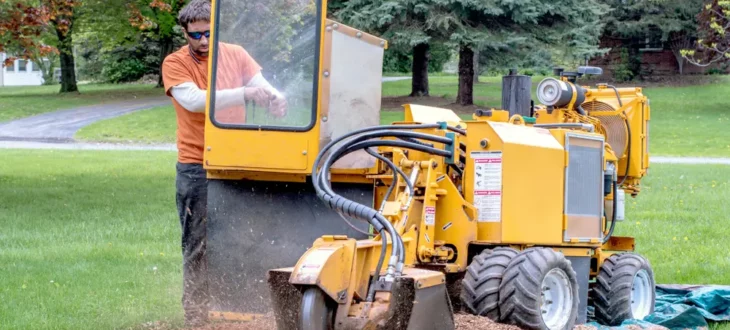
Understanding stump grinder safety evolution
Stump grinding was never without dangers. They employ a fast-spinning wheel of cutters. If not used properly, they can inflict serious injuries or property damage. For decades, innovators have experimented with new forms to make stump grinders safer. These days, safety isn’t just about the operator. It protects nearby workers and the job site as well. This transition was not immediate. It began with basic guards and shields. Today, most new stump grinders feature built-in electronic sensors and smart systems. These measures demonstrate how far the industry has come.
Early stump grinders had rudimentary shields that attempted to contain flying wood chips. These shields weren’t always sufficient. Operators still risked kickbacks, thrown debris, or even lost grip. As injury reports increased, manufacturers and experts began to notice trends. Injury data revealed that many of these accidents occurred due to overlooked steps, inadequate controls, or inadequate site checks. This resulted in a demand for improved training and hard rules. The priority then became protecting the operator and bystanders. For instance, being close to at least one other person is nowadays a standard. This assistant can identify issues early or seek assistance if things turn south.
The safety zone concept is another significant change. Gone are the days of 20 feet or 30 feet. Most experts now say to keep a 75-foot (about 23 meters) circle clear around the stump. This keeps bystanders well away from spinning chips and sharp components. It reduces the chance of an injury to someone in the event the machine kicks or jolts. Before they begin, they’re trained to check for concealed dangers such as stones, roots, or cables. Inclement weather is a hazard, as well; rain, wind, or dim light can exacerbate the situation. These are now incorporated into most training guides.
The most significant differences are in the mechanics of the machines. Old-style models had mechanical levers and switches. They had to be on their toes constantly. Today, a lot of stump grinders have sensors, auto-shutoff, warning lights, and other features. Some can halt the cutting wheel if someone steps into the safety zone. Others monitor if the machine tips or shifts in an incorrect direction. This combination of intelligent technology and improved training has made workplaces safer for all of us. Today, safety helmets, gloves, and eye protection are standard. Rules are clear and most companies will comply to avoid fines or downtime.
| Feature | Early Stump Grinders | Modern Stump Grinders |
| Main controls | Manual levers and switches | Automated controls, touch panels |
| Safety shut-off | Manual emergency stop only | Auto shut-off, sensors, remote stop |
| Debris protection | Basic shields | Full covers, debris curtains |
| Operator focus | Operator only | Operator + bystanders monitored |
| Monitoring | None | Live sensors, smart alerts |
That drive for improved safety does not end with the operator. There’s more attention now to anyone in proximity to the worksite. Bystander protection is a big part of training and machine design. Maintaining a safety perimeter, employing signage, and ensuring all personnel wear protective equipment are now routine practices. These innovations have reduced accidents and made stump grinding a safer endeavor for everyone.
Core safety technologies in modern stump grinders
Modern stump grinders feature a variety of core safety technologies that reduce hazards to operators and bystanders. These machines chew through hard wood, flinging chips like shrapnel in all directions. Without proper protections, this work can become dangerous quickly. To tackle these hazards, manufacturers today infuse modern stump grinders with smart safety technology to help keep mishaps and injuries to a minimum.
Auto shut-off is now a standard on most new stump grinders. These safety systems utilize sensors to monitor for hazardous situations, such as a sudden loss in oil pressure, overheating, or the removal of a critical guard. Should anything abnormal arise, the system immediately shuts down power to the cutting wheel. This prevents injuries that could occur if the grinder continues operating when something is amiss. If a stump grinder tips over on rough terrain or veers off balance, the auto shut-off kicks in, preventing the machine from inflicting further damage.
Guarding systems have become more sophisticated. These are the shields and covers that prevent flying wood chunks and debris pieces from striking the operator or a bystander. Some grinders opt for metal plates, while others go with big, beefy rubber flaps or even clear polycarbonate shields so you can see through it. The goal is always the same: block debris before it becomes a hazard. This is especially crucial because stump grinders are famous for flinging wood and stones like missiles. Not just to protect people, but to keep other parts of the machine from being damaged as well. For open yards or close to sidewalks, these guards help prevent injury to bystanders and property damage.
Interlock systems ensure the stump grinder operates only when all are in their correct position. Key interlock features include:
- Operator has to be in the control position before the grinder can start.
- All guards and shields must be locked in place.
- Cutting head has to be lifted off the ground before engaging.
- Parking brakes or safety switches need to be engaged prior to starting the engine.
These interlocks prevent incidents by requiring operators to take safe actions, such as confirming all guards are in place and no one is within the hazard area. If any of these checks fail, the grinder will not start, reducing the danger of errors.
Emergency stop buttons are now commonplace. They sit within easy reach on the control panel, so if anything goes awry, operators can kill the power quickly. That is key during a kickback, when the grinder teeth strike hard material and jerk back. With one easy push, the machine stops and assists in preventing additional injury or damage. Convenient access to these stop buttons results in less panic and quicker reaction time if an emergency arises.
Above all the in-house tech, using the proper protective equipment remains the first line of defense. Operators should have gloves, goggles, and hearing protection. Establishing a safety perimeter of at least 22 meters from the cutting zone is essential for bystander safety. Pre-operation inspection is checking the grinder for loose parts, debris, or missing guards prior to each use and is a key step to avoiding accidents. Grinding roots first eliminates the trip hazard, and on uneven ground, a track drive model provides additional stability. Obstructed sightlines can cause errors or harm.
User interface and operator awareness
Today’s stump grinders include user interfaces that streamline the work to make it safer and easier. These use digital displays that provide real-time updates of the grinder’s status. Operators can quickly view machine speed, engine temperature, and oil pressure. If anything should go amiss, the screen is full of obvious warnings with pictograms or lights. For instance, if the engine is overheated, a warning icon will flash, allowing the operator to halt prior to damage occurring. These displays alert you when it’s time for routine inspections or maintenance. That is to say, fewer surprises and less risk of overlooking a critical step.
Ergonomic control layouts are another vital safety feature. The interface of levers and buttons fits natural hand gestures. User interface and operator awareness controls are grouped by function and located where hands lay during operation. This minimizes fatigue and prevents operator error. Less strain on hands and arms means that people can dedicate themselves more to safety checks, such as confirming the cutter wheel is off before moving the machine. With easier controls, it’s easier to adhere to best practices, like maintaining a safety zone of at least 23 meters (75 feet) when the wheel is spinning.
Audible and visual warnings bring machine awareness to the next level. Stump grinders now beep and flash beacons to caution operators about dangers or mistakes. If the machine detects an anomaly, it blares an alarm or flashes a warning light. This is great in frenzied or loud worksites where it’s easy to overlook a warning on the display. For example, if the side skirt loosens or a sensor detects airborne debris, the machine alerts the operator immediately. These alerts facilitate quick action to don face shields or stop work when unsafe conditions emerge.
Intuitive interfaces have simplified stump grinders so that operators of varying experience and expertise can use them. Rather than extended manuals or intensive training, machines today direct operators stepwise. Big buttons, easy icons, and straightforward text minimize misunderstanding. New operators can discover how to establish a safety perimeter, check for gas lines, scout the terrain for dips, or chart an optimal path to the stump. Short instructions remind you to grind roots first or watch out for raised driveways. This tactile assistance makes it less likely that a user will overlook critical safety precautions, such as consulting the weather or searching for trip hazards.
Real-time hazard detection and response
Advanced stump grinders utilize real-time hazard detection and response to protect personnel and property while the machine is operational. These capabilities operate in real time, identifying issues and responding immediately to reduce dangers and prevent incidents from escalating. Real-time detection is important for work in crowded locations or where there are many variables, such as uneven terrain, adverse weather, or proximity to humans.
Sensor arrays are now integrated into many stump grinders. These sensors monitor both the exterior and interior of the machine. Sensors can detect rocks, roots, or even hard ground that could cause the grinder to knock or vibrate. Other sensors monitor the stress on the machine, so if there is a sudden overload, the grinder can slow or halt before something snaps. If the ground below the grinder shifts or begins to cave in, sensors can detect this and notify the operator. These sensor arrays assist in identifying potential hazards before the operator may even notice them, thereby enhancing the safety of the entire job site.
Automatic response systems work with the sensors to shut down the machine if a hazard is detected. If the grinder begins to make an abnormal noise or vibrate, the system will shut down the engine and halt the cutting wheel. It matters because it immediately halts the machine if it encounters some trouble, like striking a rock or becoming bogged. It assists if someone gets too close because the system can employ proximity sensors to slow or stop the machine to avoid injury. These automatic stops are huge progress for safety, allowing the machine to respond quicker than a human could.
| Benefit of Proximity Sensors | Description |
| Accident avoidance | Stops or slows the grinder if people or pets get too close |
| Property protection | Prevents damage to cars, windows, or fences by sensing nearby objects |
| Safer work zone | Helps keep a minimum 23-meter (75-foot) safe zone around the grinder |
| Onlooker safety | Alerts the operator if someone enters the hazard area unexpectedly |
Data logging is yet another smart feature. Every time an anomaly occurs, like an overload shutoff or a person getting too close, the system captures it. This information can be analyzed afterwards to identify trends or recurring issues. If a particular location on a property tends to result in overloads, the crew can repair the spot or deploy an alternate strategy. Incident logs help with training, demonstrating to new operators what to watch for and how to remain safe. Periodic review of this information, combined with daily machine inspections and clearing the work area, captures risks before they become larger issues.
Operational protocols for enhanced safety

Newer stump grinders incorporate a combination of hardwired controls, machine learning, and connected systems to make tree removal safer. Machines are now equipped with software that guides operators through a pre-operation safety checklist before the engine even turns over. This checklist might inquire whether the 22-meter safety zone is established, whether tools and first aid kits are within reach, or if the operator verified weather conditions. It could ask them to verify that all bystanders are clear, the stump and roots are flagged, and utility lines are located. Certain machines can record this data, which helps keep an audit trail of safety adherence.
Lockout and tagout procedures are now administered through electronic access controls. Operators must employ secure logins or RFID badges to activate the machine, which circumvents unauthorized operation. If a machine is being repaired or maintained, the system can lock all controls and warn that no one can inadvertently start it up. They limit the potential for injuries and provide managers with increased visibility. Maintaining an electronic record makes it easier to determine exactly who last used the machine and when, clarifying accountability.
Preventative maintenance alerts are yet another protocol. The software tracks use hours and notifies the operator when checks or service are due. This can stave off mechanical failures that might lead to injuries. For instance, notifications might remind drivers to look for worn teeth, inspect belts, or ensure that all guards are properly in place. Some grinders will even recommend particular checks based on weather or ground conditions, such as when working on wet ground or uneven hillsides where a track drive provides more stability. Proper care and timely warnings contribute to life extensions and a reduction in unexpected downtime.
Remote monitoring is now standard for larger projects. Supervisors can observe multiple machines simultaneously, even remotely, via mobile apps or dashboards. This makes it simple to audit whether operators adhere to safe practices, wear proper PPE, or maintain a perimeter around bystanders. If the system detects a safety hazard, such as if a piece of machinery operates outside a designated safety zone or in proximity to a flagged utility line, it can generate an immediate alert. This allows managers to react quickly and keeps everyone on-site safer.
Pilots must inspect the location prior to launch. That is, walking the path, scouting for danger, and strategizing how to grind roots first to prevent a wood chip pileup. Training is key. Our operators need to know the right steps, how to use our digital checklists, and what to do in an emergency. Most locations need you to call 811 or your local utility before you dig so that any underground lines can be marked and avoided. Emergency plans, along with first aid kits and emergency-trained staff, help teams stay prepared for the unforeseen.
Training and certification in the age of smart grinders
Today’s stump grinders do a lot more than grind wood—they’re loaded with user safety features. These machines have sensors and e-stop systems and even training tools built directly into their software. As these clever grinders appear on more jobsites, the training needs to keep up. Training isn’t just common sense or a quick lesson; it’s a full process with clear stages and audits.
Interactive training modules now come integrated into most smart stump grinders. These modules utilize on-screen prompts, simple quizzes, and even step-by-step videos, all right at the machine. Operators can learn the importance of safety zones, how to check for hazards, and what to do if something goes wrong. Others have internal timers or record progress so a manager can verify if an individual completed the entire course. This allows them to train while working, not just in a lecture hall or with a handbook. For instance, if a worker neglects to look out for bystanders, the software can display a warning prior to giving the grinder the go-ahead.
Operator certification programs are now required for smart grinders in many places. These programs go beyond the basics and cover how to use emergency shutoff controls, respond to automated warnings, and handle other features unique to smart machines. A manual called “Best Practices for Stump Grinder Operations in Arboriculture” is often used as a guide. It covers how to keep bystanders at least 23 meters away, what to do around power lines, and how to handle tough spots like small yards or next to buildings. Certification usually means passing both a written test and a hands-on skills check. No one should be allowed to use a grinder just because they get the idea. These machines are big, expensive, and not forgiving of mistakes.
Continuous learning is critical as new safety features are released. Manufacturers frequently ship updates, whether that means software patches or training. Others have operators re-do segments of their training when new features roll out. It keeps everyone current and helps avoid issues from stale habits or overlooked updates. If a grinder gets a new sensor that turns the engine off if it jams, the operator should know how to reset it safely. This continuous learning approach reduces the chance of accident and damage.
Proficiency tests, for example, are now common. Drivers have to demonstrate they can respond to real-world notifications, such as emergency brakes or alarms. These tests involve shutting down the engine, disconnecting spark-plug wires, and inspecting for damage should the grinder shake or make strange noises. Operators must be aware of where first aid kits and fire extinguishers are located and how to use them. Only after they’ve passed these tests are workers allowed to use the grinder solo.
Industry standards and regulatory impact
Stump grinder safety has expanded significantly in both scope and depth over the last decade. Rules and industry standards influence everything from how stump grinders are constructed to how they are employed. Organizations like OSHA and ANSI set the safety bar, encouraging both manufacturers and users to prioritize safety. These standards are not just for the U.S. Many are echoed in other countries, establishing a minimum for global compliance.
Important OSHA guidelines for stump grinders center around user protection and equipment safeguards. Operators have to maintain a safety buffer of at least 22.86 meters (75 feet) around the stump grinder when the cutting wheel rotates. PPE such as eye and hearing protection, gloves, and steel-toed boots are compulsory. ANSI standards specify that operators should exclusively use the lower front portion of the wheel, between the 3 and 5 o’clock position, for cutting, which aids in managing debris and user protection. Regulations emphasize operator training, so that only experienced, knowledgeable users operate the equipment. OSHA and ANSI both require that utility lines within the safety zone are marked and avoided before work begins to avoid electrical or gas hazards.
New regulations have helped push manufacturers to get stump grinders smarter and safer. Some of the most important updates include:
- Improved interlocks halt the cutting wheel if guards are repositioned or if the operator walks away from the controls.
- Auto shut-off or braking activates when sensors detect unsafe angles, such as steep hillsides or loose ground.
- Enhanced debris shields and guards reduce the hazard of flying chips or shards.
- Operator presence controls are built-in, so they stop if they let go of the handles.
- Compulsory electronic logs of maintenance and safety inspections help keep machines fit to operate.
When companies obey these rules, they reduce their risk of incidents and litigation. Complying with OSHA and ANSI guidelines usually means cheaper insurance as well because insurance companies recognize the decreased risk. Liability plummets when machines are kept and utilized the proper way, having all the new safety features installed. It safeguards employees, bystanders, and surrounding property, a crucial component of sustainable business prosperity.
You need regular audits to keep up with all these standards. Machinery must conform to or exceed existing safety regulations. That translates into examining operator training histories, maintaining machine maintenance logs, and determining whether guards, brakes, and safety controls function as intended. Audits should consider how operators grind roots, manage grinding depths based on customer preferences and site conditions like wet soil or slopes. By catching gaps early, audits help prevent fines, downtime, and injuries.