
Understanding compact design in forestry equipment
Compact design in forestry equipment translates to each unit being smaller, with a layout that compresses all the critical components near to each other. This allows the machine to accomplish the same work as larger equipment but in a more compact form. The concept is to suit the demands of forestry work, where terrain is rugged, space is limited, and work locations are transient. Compact machines are designed to be lightweight, maneuverable, occupy a small footprint, and minimize collateral damage to the surrounding forest.
When forestry crews labor in seclusion or heavy undergrowth, transporting bulky equipment is a genuine hassle. Compact equipment is simpler to load onto trailers, transport down thin trails, or dispatch over challenging terrain. That translates to work beginning sooner and it being easier to mobilize the appropriate machine to various locations on a given day. For instance, a compact tree trimmer with a zero-turn radius and a 360-degree boom swing can maneuver around large roots or rocks and get up close to trees that require attention. This shaves hours off and leaves more earth untouched.
Forests are intricate, living environments. Heavy equipment can crush vegetation, break roots or imprint heavy tire ruts into the ground. Smaller machines cause less damage. Their lighter weight and smaller footprint do less damage and leave the site looking as it did before. It is key in work near protected habitats or parks, where keeping the land healthy matters most.
A lot of people assume that small equals weak, or that small machines can’t possibly be as useful as larger ones. New mini forestry tools are bridging that void. Tech and design innovations allow compact forestry equipment to tackle demanding tasks while remaining easy to maneuver. Some examples of advanced technology in compact forestry equipment include:
- Hydraulics with increased horsepower for aggressive mulching or cutting.
- Intelligent control panels allow operators to make adjustments for each job.
- Forestry mulching heads with rotors and an integrated depth gauge regulate feed speed.
- Attachment quick-change systems for swapping tools in minutes
- Innovative engine arrangements increase fuel efficiency and reduce noise.
Selecting the appropriate compact machine plays an important role in accomplishing the task. Different tasks require different tools. For example, cutting thick brush requires a hammer cutter, while clearing brush requires a mulching head with depth gauge. Hydraulic horsepower matters when choosing a machine to operate heavy-duty attachments. If the machine is too small, the job will be sluggish or even dangerous.
The options for compact mulchers and cutters have expanded significantly in recent years. Operators have more choices than ever, and that means better fits for more jobs. Even so, wielding these implements wisely requires expertise. You need to understand what your machine can do and how to operate it safely. Good training combined with regular inspections and basic maintenance will make each machine last longer and perform better.
Enhancing efficiency and productivity in forestry operations
Small forestry machines can change how we work. Smaller machines are easier to transport and deploy, so crews spend less time staging and more time milling. For instance, a small feller buncher can be transported on a trailer and relocated to a new location hours faster than a large machine. This assists when tasks are distant or when crews have to clear multiple sites in a single day. With less time wasted on relocating and configuring, crews can get more done and complete projects faster.
With streamlined designs, their compact equipment cuts downtime. Fewer moving parts and more maintainability mean that our machines spend less time in the shop and more time in the woods. Contemporary engines are typically equipped with remote monitoring and automated controls that facilitate early detection of issues and maintain operational status. For instance, sensors can alert to low oil or worn parts prior to failure, allowing crews to address minor issues before they become major repairs. This keeps the mill turning and makes efficient use of every work hour.
Good operator visibility and control make a difference in getting jobs done right. Small machines frequently provide the operator with an improved vision of their work, which comes in handy when working in dense woods or near non-target flora. Clear sightlines prevent errors, such as harming good trees or kicking up too much soil. Better controls in these machines, including joysticks and touchscreens, allow operators to perform rapid, minute movements delicately. This is particularly helpful when using GPS mapping or automation that requires subtle handling. Improved visibility and control translate into more precise cuts and safer, cleaner work sites.
Smaller forestry equipment makes working in cramped spaces easier. For example, knuckleboom loaders can swing and pick up logs even in tight spaces due to their bendable arms. Small frame excavators can dig, mulch, and clear brush without hitting other equipment or trees. This allows crews to operate multiple machines adjacent to one another, accomplishing more in the same amount of time. In a small clearing, one excavator could be pulling stumps, and another could be loading logs for transport, speeding up the entire process. That sort of work style is typical in forest areas where room is tight and time is money.
New developments in forestry equipment are trending toward increasingly intelligent, networked machinery. These new models often use AI, GPS and IoT to monitor work, avoid errors and maintain flow. For instance, auto controls can steer a harvester to fell just target trees, while GPS enables hauling equipment to extract logs with fewer passes. These upgrades not only enable teams to accomplish more with less, they contribute to sustainable forestry by minimizing waste and soil damage.
Maneuverability and access in challenging environments
Forestry work often involves tight woods, steep slopes, and locations where heavy equipment cannot go. Compact machines shine in these tight, hard-to-reach locations. They navigate tight trails, dense underbrush, and rocky terrain with more ease than bulkier equipment. Their reduced dimensions allow for greater maneuverability and access in challenging environments, enabling you to turn around trees, rocks, or stumps without getting stuck or causing damage. That translates into crews covering more ground, even in areas where maneuvering room is limited.
A tighter turning radius is the important point here. Conventional gear typically requires a larger turning circle, restricting access in thick forests or sensitive locations. Compact machines, by contrast, can swing around with a whole lot less room. This allows operators to work closer to trees or along steep slopes where every inch matters. A smaller turning radius reduces the amount of additional land that must be cleared simply to get machines in and out, preserving more of the forest. In delicate zones, such as wetlands or areas with endangered flora, this is a huge advantage as it allows the crew to operate without inflicting additional damage.
Lighter weight is another huge bonus. Heavy machinery compacts soil, destroying roots and impeding forest rejuvenation. Small machinery compacts lighter, causing less strain. That allows crews to work year-round, even in soggy or loose earth, with a reduced chance of marring the terrain or wrecking the environment. It reduces the amount of trail or road reparations post completion.
Operator comfort and function factor highly in maneuverability. To help with maneuverability and access in challenging environments, compact machines have bigger cab floors now, so workers can move and shift with ease, which helps on long days. High-end cab designs incorporate everything from rearview cameras to improved sight lines, even in tight woods. Advanced controls such as joystick pods that encroach less space translate into more legroom and smoother operation. A number of machines allow the operator to adjust the speed or sensitivity of controls directly from the cab, allowing them to customize the machine to the task or their personal style. This makes the work slick, safe, and less exhausting.
One of the interesting trends is the single-pod cab design. This conserves space and keeps dust, heat, and noise away, which is important in rough environments. The state-of-the-art display provides transparent information and enables the operator to quickly adjust settings. They contribute to improved maneuverability and entering tight environments.
Below is a simple comparison of maneuverability features between compact and traditional forestry equipment:
| Feature | Compact Equipment | Traditional Equipment |
| Turning radius | Small | Large |
| Weight | Light | Heavy |
| Soil compaction | Minimal | High |
| Cab floor space | Maximized | Limited |
| Visibility (rearview cameras) | Often included | Rare |
| Programmable controls | Yes | Limited |
| Electrohydraulic joystick pods | Yes | No |
| Air seal/single-pod cab design | Common | Rare |
| Adjustable from cab | Yes | Limited |
| Advanced display systems | Yes | Limited |
Minimizing environmental impact and promoting sustainability
Compact design in forestry equipment is a big part of reducing environmental impact and sustaining healthy forests. Smaller machines make less of a dent. As you pass through the woods, these machines disrupt less soil and fewer plants. That translates to roots holding fast, erosion declining, and streams being spared silt. With less ground churned up, non-target plants and young trees remain unharmed. As with many forests around the world, maintaining the ground cover and undergrowth is crucial for everything to bloom native. Modern forestry machines have features that assist in preventing accidental damage. For instance, precisely controlled and lighter-footed machines can slip between trees and operate in confined spaces without destroying everything in their path.
Fuel use is another area in which compact design shines. Smaller machines typically operate with less-fuel-hungry engines, resulting in reduced emissions. With optimized engine efficiency, they combust less diesel per hour, which translates to less CO2 in the atmosphere. A lot of today’s compact forestry machines incorporate new tech, such as hybrid engines or intelligent fuel management, to reduce waste even further. That strategy dovetails with worldwide efforts to reduce greenhouse gas emissions. It keeps air cleaner for neighboring communities and wildlife. For example, a small harvester that can operate more efficiently in steep or wet areas may be able to complete the work in fewer passes, reducing work hours and fuel consumption.
Selective harvesting is one thing that underscores the advantage of small equipment. Rather than harvesting every tree in a broad swath, workers can utilize mini-machines to select only mature or diseased trees. This method of harvesting keeps the remainder of the forest whole, leaving habitats undisturbed and younger trees an opportunity to thrive. Selective harvesting is favored today in many areas to preserve biodiversity and ensure sustainable forest health. Compact machines simplify this task, allowing crews to navigate obstacles and access targeted trees with less friction. By eschewing clear-cutting, forestry teams can aid forests in rebounding more quickly post-harvest.
At present, nearly all countries have stringent provisions on safeguarding forests and the local environment. Mini forestry machines are frequently designed to tangle with these regulations. A number of them incorporate eco-friendly materials, low-noise engines and leak and spill catching systems. Certain equipment even syncs with drip irrigation while trees are newly planted, conserving up to 50% more water than older techniques. As AI and IoT features get integrated into forestry equipment, operators are able to monitor fuel consumption, location, and soil conditions in real-time. That leads to less error and greater efficiency. Equipment that has excellent traction and horsepower can complete tasks in fewer passes, which means less compaction and fewer ruts.
Sustainable forestry is about what’s next. Things like mini-excavator machines can clear land with less mess and clear the way for new planting as reforestation. Thoughtful hunting and efficient utilization of equipment reduce excess and prevent over-hunting. Powerful, nimble machines enable crews to accomplish more with fewer resources, whether it’s harvesting, delimbing, or loading logs. It all contributes to a more intelligent, sustainable approach to forestry.
Labor requirements and operational ease for modern crews
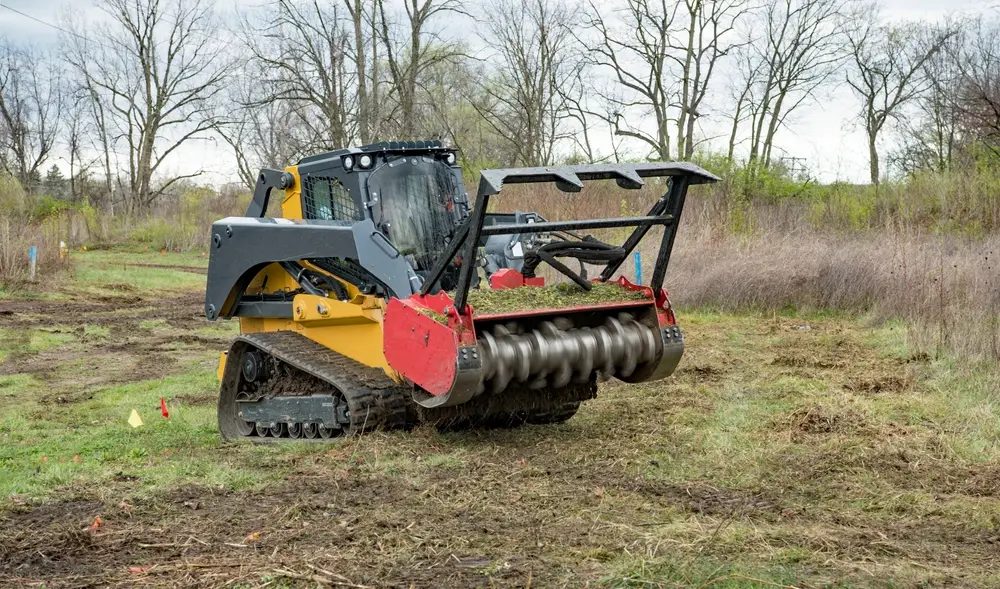
Hardwood on hardwood: labor needs and ease of operation for today’s crews. With labor shortages across construction, many crews require tools that make it simple to accomplish more with fewer hands. Compact machines reduce the need for big crews, so companies save on labor costs, which is significant when skilled labor is scarce. Smaller machines can work in tight spaces where bigger equipment just won’t fit, making them super useful for jobsites with limited room. That translates into crews that waste less time setting up and moving gear and more time actually getting work done.
When machines are designed with intuitive controls and ergonomically body-fitting layouts, crews remain less fatigued on the job. Ergonomic seats, adjustable levers and clear displays help your workers concentrate on the job at hand, not their aching limbs. Less weariness leads to fewer errors, higher work quality, and a reduced hazard level. Many modern compact equipment manufacturers build to these needs, making those long shifts more manageable and less prone to burnout.
Training new labor is expensive and time consuming. The short learning curve of compact forestry machinery with intuitive interfaces reduces the burden. Most of these machines are operated with push-button controls or intuitive joysticks, so new employees can get to work quicker and with more assurance. This is crucial for firms attempting to maintain schedules when expertise is hard to come by. A soft learning curve allows seasoned crews to switch to new patterns without bottlenecking the labor.
Safety is always a priority. A number of small machines have integrated features to maintain the safety of operators and ground crews during work. Some of these safety features include:
- Roll-over protection systems (ROPS) protect operators in the event a machine overturns.
- Clear sightlines and cameras assist in seeing people and obstacles in close proximity.
- Engine shuts off automatically if the operator leaves the seat.
- Non-slip steps and handholds make it easier to get in and out.
- Ergonomic cab layouts reduce strain or injury.
- Simple, easy-to-reach emergency stop buttons
- Noise and vibration controls reduce physical stress on the body.
Another benefit is that a lot of modern equipment can accept various attachments, so a single unit can perform multiple tasks, like mulching, cutting, or transporting logs, without changing out heavy machinery. That increases efficiency and makes it more manageable for smaller crews to cope with busy workloads. Used compact machines continue to be a clever choice for budget-conscious crews, enabling operators to acquire additional assets for less and providing them with the versatility to accept additional work.
Lightweight machinery is today an essential element of sustainable forestry. By working with greater precision, these machines prevent harm to plants and soils that don’t need to be disturbed. This protects the environment and makes projects flow smoother with less waste.
Cost-effectiveness and maintenance considerations
Best value on the price and maintenance. If you’re a user interested in keeping budgets in check and minimizing downtime, compact typically translates into less expensive initially. Smaller machines generally require less material and easier construction techniques, so the price remains more manageable. These machines typically consume less fuel and require fewer resources to operate each day, which keeps operating costs down. For forestry companies that have to manage costs, this can add up over time, especially when projects last for months or even years.
Simpler, smaller gear means components are simpler to notice, access, and replace. Maintenance is less of a pain when you don’t have to disassemble heavy, intricate assemblies. Most compact machines incorporate fewer moving parts and leaner control systems. This design allows operators or service crews to complete regular inspections and repairs quicker, reducing downtime and labor expenses. When someone can do daily inspections and minor servicing without special equipment or extensive training, it keeps the production line flowing. For instance, cleaning air filters, checking oil levels, or swapping a worn belt can be taken care of quickly, so your machine spends more time working and less time in the shop.
One of the biggest pluses of compact gear is how it stands the test of time. Smaller machines tend to be lighter and don’t stress components as much, so they have a longer lifespan. Less wear on engines, tracks, or hydraulic lines means less wear and tear. When machines last, owners get more bang for the original purchase, and replacement cycles extend. Preventive maintenance is easier to adhere to, as tasks no longer take so long or require so many hands. For each dollar invested in prevention, owners are able to save four to five dollars in repair and downtime. Skipping maintenance feels like a time saver, but the breakdown bill may be ten times more expensive in the long run.
Maintenance routines get easier courtesy of compact design. Here are key tasks that benefit:
- Quick visual checks: Small machines let you see oil leaks, loose bolts, or damaged hoses fast, so small problems do not turn into big repairs.
- Easier filter changes: Air and oil filters are often placed up front or on the side, so operators can swap them out without moving heavy parts.
- Simple lubrication: Fewer grease points and open layouts mean less time spent on daily or weekly greasing.
- Fast fluid checks: Tanks for oil, coolant, or fuel are easy to reach and mark, so daily checks do not slow down the start of the shift.
- Streamlined cleaning: Less surface area and fewer nooks make it easier to keep machines clean. This helps spot wear early and saves energy over time.
Routine maintenance doesn’t just keep machines humming, it saves you thousands of dollars in downtime and major fixes. It’s far more cost-effective to have a plan to check your systems daily, weekly, and over longer periods, so you can identify minor problems before they become outages. Well-maintained machinery consumes less energy, reduces operating expenses, and increases productivity by minimizing downtime. With less to maintain, crews spend less time maintaining and more time working.
Innovations and future directions in compact forestry equipment
Forestry equipment is evolving rapidly, with compact machines leading the charge. Much of it is born from the demand for eco-friendly forest work, smarter methods to increase production, and the initiative to maintain forests in good health for years to come. Manufacturers and end-users alike are seeking more diminutive, intelligent, and eco-friendly implements. Current tendencies indicate how these demands influence the future.
Electrification and automation are two trends that transformed small-scale forestry equipment. Electric and hybrid machines are hitting the market, producing lower emissions and less noise than diesel-powered alternatives. These machines assist in complying with expanding green regulations and respond to demands from not only governments but purchasers for cleaner working. Automation is also on the rise. Self-drive or remote control machines can operate in challenging locations, such as steep slopes or thick forests, where large machines cannot access. This enhances safety and enables crews to accomplish more with less effort. Auto-steering and load-handling on mini harvesters can navigate mixed forests and dense tree stands, reducing waste and speeding things up.
Smart sensors and telematics are becoming ubiquitous on new compact forestry machinery. They employ GPS, IoT sensors and real-time data links to monitor machine performance, fuel consumption and work accomplished. Telematics adoption increased 28% for large-scale forest work between 2023 and 2024, demonstrating the extent to which operators have come to rely on these tools. They allowed crews to identify problems before they became serious, schedule work more efficiently and even generate repair notices. Satellite technology and smart AI can now provide real-time maps of soil, timber and microclimate, enabling teams to minimize impact and tailor strategies for each patch. This live picture translates to less downtime, less expense and a smaller footprint on the ground.
Modular designs: the next step for compact forestry tools These concepts allow operators to swap components, integrate new technology, or alter configurations for each task. If your crew needs a mulcher one week and a loader the next, swap tools quickly without the price tag of an entirely new machine. This saves money and allows businesses to expand or pivot with new regulations or demands. In challenging markets, this type of versatility is crucial.
Green materials and clean builds are influencing the new generation of small forestry equipment. More manufacturers utilize recycled metals or bio-plastics, and some plants even operate on green energy. This reduces the carbon footprint of the machine and the plant that constructed it. As green rules get more stringent, these steps will probably become standard, turning compact gear into both smart and planet-friendly.