
Ever tried to tackle a tree stump, only to find it stubbornly anchored in place, defying your best efforts with an ax or shovel?
You’re definitely not alone—stump removal is notorious for being messy, exhausting, and more complicated than it first appears.
But what if the latest forestry techniques and powerful new equipment could turn this tough job into something fast, clean, and even environmentally responsible?
In this article, we’ll dive into the cutting-edge methods that forestry professionals are using to remove stumps more efficiently than ever before.
You’ll learn how modern tools and sustainable approaches are changing the game, discover must-know safety and legal tips, and find out how to restore your land for lasting health.
Ready to dig deeper into what really works for stump removal?
Let’s get started.
Modern forestry techniques for efficient stump removal
The field of tree stump removal has evolved dramatically in recent years, with forestry professionals moving beyond labor-intensive digging and burning in favor of cutting-edge, science-based practices. Today, efficient stump removal means using modern tools and techniques that are faster, safer, and more environmentally responsible.
Traditional methods, like manual digging with shovels, axes, or even small saws, could take hours—sometimes days—to fully extract a large tree stump, often leaving behind significant property damage and soil disturbance. Contrast this with the use of powerful stump grinders or hydraulic extraction tools, which can remove the entire stump and root ball in a fraction of the time, with minimal impact on the surrounding landscape.
Sustainability is also top-of-mind for the tree care industry. Responsible tree removal services now integrate practices like recycling tree debris into mulch, replanting initiatives, and careful consideration of local regulations to support landscape restoration and long-term ecosystem health. Some projects even collaborate with wildlife services and conservation agencies to reuse rootwads and large stumps in stream restoration projects, supporting biodiversity.
Recent data suggests that professional tree removal services using modern stump grinders can complete jobs up to 60% faster than traditional methods, especially in rugged terrain or residential gardens with limited space. For example, in a municipal park renovation in Minnesota, a crew using dipperfox stump grinders cleared over 40 large stumps in one workday—something that would have previously taken several days, even with standard equipment.
By prioritizing modern, efficient, and sustainable stump removal techniques, property owners and land managers not only save time and money but also contribute to the long-term health of their properties and the environment.
Advanced Equipment and Tools Used in Stump Removal
Today’s stump removal professionals have access to a powerful arsenal of specialized equipment designed for efficiency, safety, and minimal disturbance to the land. Key tools include heavy-duty stump grinders, hydraulic pullers, and—on select sites—crane-assisted systems for extraction of massive or awkwardly located stumps.
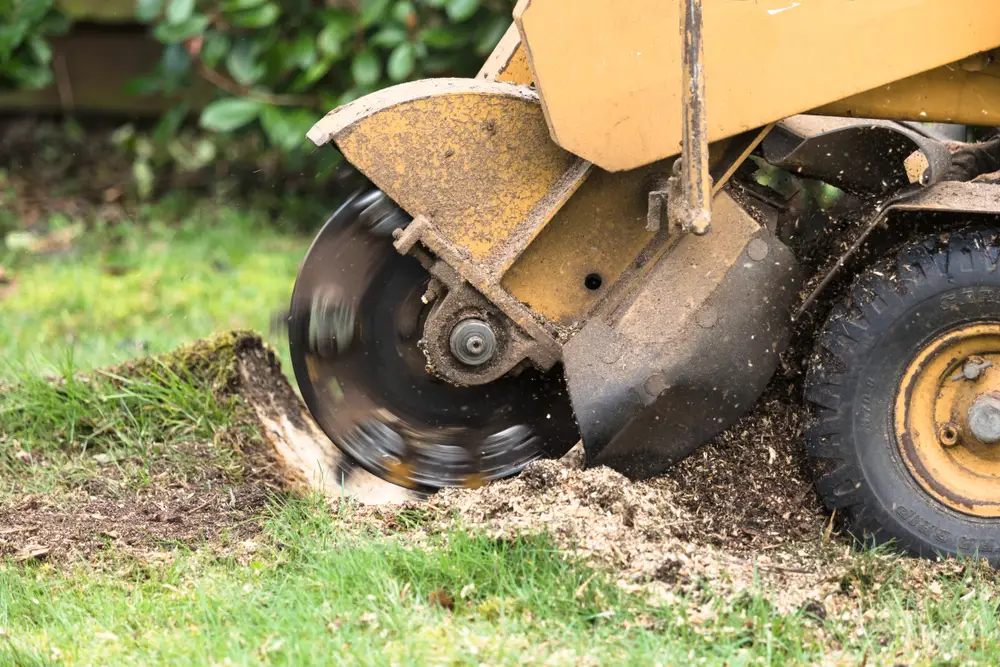
Stump grinders are the most common solutions in both residential and commercial projects. Modern models like the Dipperfox stump grinder can process stumps of varying sizes, using rotating tungsten-carbide teeth to chip wood into mulch with precision and speed. Hydraulic pullers, on the other hand, are favored for sites that require the entire root system to be removed, such as future homebuilding sites or areas where replanting is planned.
Crane-assisted stump removal is rare but essential when dealing with exceptionally large stumps or sensitive areas, such as historic parks or tight urban landscapes. These systems use heavy lifting machinery and certified rigging to carefully extract stumps over obstacles, protecting nearby landscaping and essential infrastructure.
Emerging technologies are also reshaping the industry. Robotic stump grinders and GPS-guided automation reduce human error and can operate under adverse weather conditions or in remote locations—dramatically increasing both efficiency and operator safety. Leading models now include advanced safety features, real-time performance monitoring, and eco-friendly engines that meet strict emissions standards.
To keep these sophisticated machines running efficiently, regular maintenance is crucial. Operators should inspect cutting teeth for wear, check hydraulic fluid levels, and keep belts properly tensioned. Simple steps, such as cleaning debris from air intakes and lubricating moving parts, prevent breakdowns and extend equipment lifespan.
Choosing the right machinery for the job depends on site conditions:
| Equipment Type | Pros | Cons | Best For |
| Stump Grinders | Fast, precise, suitable for various stump sizes | Can be noisy, limited by access | Yards, municipal parks, gardens |
| Hydraulic Pullers | Removes entire root system, less soil compaction | Requires larger space, slow on rock | Construction prep, open land |
| Crane-Assisted | Essential for large/deep/awkward stumps | Expensive, extensive setup | Urban, parks, sensitive sites |
By leveraging the right combination of advanced tools and diligent upkeep, stump removal professionals offer efficient, low-impact solutions tailored to the unique demands of every project.
Environmental and soil health considerations
Efficient stump removal is not just about clearing land—it’s also deeply connected to maintaining soil health and minimizing ecological impact.
Modern stump removal services increasingly prioritize methods that disturb as little soil as possible, using specialized stump grinders designed to target only the tree stump and minimize disruption to surrounding root systems and natural vegetation.
When considering the best techniques, it’s vital to look at the ecological footprint of each option.
Mechanical methods such as stump grinding or extraction with hydraulic pullers tend to have a lower long-term impact compared to chemical stump removal, which can leave residues that disrupt soil biology and harm beneficial microorganisms.
Biodiversity preservation is a key responsibility in arboriculture.
Professional tree removal services often coordinate with local conservation groups or adhere to wildlife service guidelines during operations, ensuring that nearby habitats, native plants, and soil-dwelling organisms are protected.
Once the tree stump has been removed, post-removal soil amendments become crucial for restoring soil structure and fertility.
Incorporating organic matter, like compost or natural mulch produced from recycled tree debris, helps replenish nutrients, reduce erosion, and promote healthy root growth for new landscaping or replanting projects.
Mulching best practices not only aid in soil recovery but also contribute to environmental sustainability by reusing natural wood chips on-site.
Property owners often report improved moisture retention and a visible increase in beneficial earthworm activity after mulching, making it an effective method for both sustainability and landscape health.
Safety measures & professional protocols
Safety is paramount in any stump removal project, and reputable tree removal services operate under strict safety guidelines to protect both people and property.
Every stump removal professional undergoes comprehensive operator training that covers the proper use of equipment such as stump grinders, excavators, and chainsaws, as well as emergency procedures to address accidents or unpredictable situations.
DIY stump removal attempts present significant safety risks.
Common dangers include contact with utility lines, uncontrolled equipment movement, and potential property damage—a troubling reality that has led to thousands of emergency room visits each year among amateur tree removal enthusiasts.
Beyond basic equipment handling, professional expertise in arboriculture makes a critical difference.
Understanding tree biology, root structures, and land conditions allows certified professionals to choose the right removal method, reducing the likelihood of injury, incomplete extraction, or unforeseen hazards.
Credentials matter just as much as practical skill.
Operators of heavy machinery must hold necessary certifications, and leading stump removal services maintain up-to-date equipment inspections to comply with the latest safety standards.
Insurance and liability coverage are essential safeguards for property owners and contractors alike.
Hiring insured professionals ensures that, in the rare case of an accident or property damage, the financial burden does not fall on the landowner—a common oversight in uninsured or unlicensed DIY or amateur removals.
By adhering to these measures, the risk of accidents, costly repairs, and environmental damage is dramatically reduced, setting a standard of professionalism across the tree care industry.
Navigating legal regulations and compliance
Before starting any tree stump removal project, property owners must understand the legal landscape governing such activities in their local area. Municipalities often require specific permits for tree and stump removal, especially if the property falls within zones with conservation ordinances or tree protection bylaws.
Each region can have different rules on how and when removal services can operate, impacting everything from the size of stumps allowed to be removed to the acceptable disposal of tree debris. Some cities, for example, enforce regulations protecting native species or mandate replanting when mature trees are taken down.
Complying with legal requirements is also critical to reducing potential property damage and avoiding costly fines. Unpermitted removal can result in stop-work orders, civil penalties, or even lawsuits, especially if roots or the stump are near essential infrastructure, such as utility lines or public walkways.
Transparency in service quotes is another legal consideration that homeowners should not overlook. Reputable tree removal service providers issue clear, itemized estimates outlining the removal process, disposal method, potential extra costs, and compliance with local environmental laws.
If you’re unsure about local regulations, consult your city’s urban forestry department or local arboriculture standards for detailed guidance. Online resources and legal guides provided by state agriculture or natural resource agencies can also help you stay compliant and informed throughout your stump removal project.
Choosing and evaluating stump removal professionals
Selecting the right professionals for stump removal goes far beyond a simple price comparison. At the core, qualified stump removal professionals should hold necessary industry certifications—such as those from the International Society of Arboriculture (ISA) or the Tree Care Industry Association (TCIA)—which demonstrate their commitment to safety and best practices.
Always ask whether the service is fully insured and if their crew has undergone appropriate training for advanced tools like modern stump grinders or excavators. Insurance protects you from liability in case of property damage, accidents, or unexpected site complications.
Evaluating a company’s local reputation is also crucial. Check customer reviews on trusted platforms and ask for references, focusing on their track record with clean site restoration and compliance with local regulations. A professional tree removal service should offer transparent pricing and detailed service guarantees to ensure you know exactly what’s covered and what might incur extra costs.
Red flags include vague estimates, lack of documented insurance, and resistance to providing credentials. Quality professionals also offer to walk you through the removal process, outlining the techniques, equipment, and practices planned for your specific property.
If you’re vetting contractors, prepare a checklist covering certification verification, license numbers, liability insurance confirmation, and previous project galleries. By following these steps, you not only protect your property and finances, but also support responsible and sustainable practices within the tree care industry.
Post-removal practices and land restoration
Restoring land after tree stump removal goes well beyond just filling in a hole. The process starts with proper soil restoration, which is crucial to both landscape recovery and long-term soil health.
After the removal process, using organic amendments like compost or mulch can replenish lost nutrients and improve soil structure. Mulching also helps retain moisture, prevent erosion, and encourage beneficial microorganisms, making it a key step for areas where healthy plant growth is a priority.
If your property experienced tree disease or pest infestation, thorough cleanup of all tree debris and sanitizing affected soil can prevent recurring issues. Consider soil testing, especially in areas where large stumps or diseased trees were removed, to identify any lingering pathogens or nutrient deficiencies.
Effective land restoration often involves planning for replanting or alternative land use. Selecting the right tree species for replanting—those suited to local climate and soil—reduces the risk of future disease or poor growth. You might also integrate native shrubs, grasses, or groundcovers to stabilize exposed soil and promote biodiversity.
For larger properties or stream restoration projects, incorporating removal activities into a broader land management plan can bring lasting environmental benefits. Some landowners coordinate with conservation groups or natural resource agencies to align replanting with regional ecosystem goals.
Don’t overlook legacy impacts. Even after complete removal of stumps and roots, there could be compacted soil or altered drainage patterns. Aerating, grading, or reseeding can help restore the natural landscape and prepare the site for new plantings or construction.
Property owners can find valuable guidance on replanting strategies and landscape design in resources from local extension offices or reputable tree care specialists. By following best practices after stump removal, you can ensure the land not only recovers but thrives with new growth and sustainable beauty.
Future trends and innovations in sustainable tree care
The future of tree stump removal and arboriculture is rapidly evolving with the adoption of eco-friendly technologies and innovative practices. One of the most exciting advances is the development of electric and hybrid stump grinders, which offer significant reductions in emissions without compromising power or efficiency.
Remote sensing tools, including drones equipped with multispectral cameras, are making site assessments faster and more precise, helping teams detect root systems, underground utility lines, and even potential disease outbreaks before any removal work begins. Robotics and automation are taking hold, too—autonomous stump grinders can navigate complex landscapes, reducing the need for manual labor and boosting safety for operators.
Smart tools are transforming the industry’s approach to sustainability. For example, GPS-enabled logging and tracking systems help professionals ensure full legal compliance and minimize impact on surrounding vegetation. New equipment like the Dipperfox stump grinder combines high efficiency with minimal soil disturbance, making the removal process both effective and eco-conscious.
The tree care industry is also witnessing regulatory shifts as local and national governments move to tighten standards for environmental responsibility. Future stump removal services will need to focus on recycling tree debris—turning stumps and logs into mulch or biomass fuel—to meet new waste reduction regulations. Many companies are partnering with reforestation and tree planting initiatives to offset the environmental impact of removal activities.
Climate goals are driving change, too. Incorporating carbon sequestration efforts and supporting restoration work will be increasingly important as both public agencies and private landowners seek climate-resilient landscapes. Experts predict that by the next decade, professional tree removal services will routinely include site cleanup, strategic replanting, and data-driven land management as part of a comprehensive, sustainable approach.
As one arboriculture researcher notes, “The next wave in tree care is fundamentally about balancing efficiency, ecosystem health, and human safety—using every tool, technology, and practice we have to create resilient landscapes.” This commitment to innovation and environmental stewardship sets the stage for a future where tree care is both forward-thinking and profoundly responsible.